The meteorites
Muonionalusta – older than earth
In the forests around Kitkiöjärvi, people have been finding parts of the Muonionalusta meteorite for more than a hundred years. It fell over the area around 1 million years ago. It had already been around for hundreds of thousands of years when the latest ice age started about 115,000 years ago. Parts of it are still buried in the ground, often several metres down. In winter, the ground is frozen hard and covered with snow, but during the summer months you can see people searching with metal detectors and shovels.
The first known discovery was made as early as 1906, when two children found a rusty stone in the forest weighing about 7.5 kg.
Since then, hundreds of meteorites have been found in the area, and the record for the largest is more than one tonne.
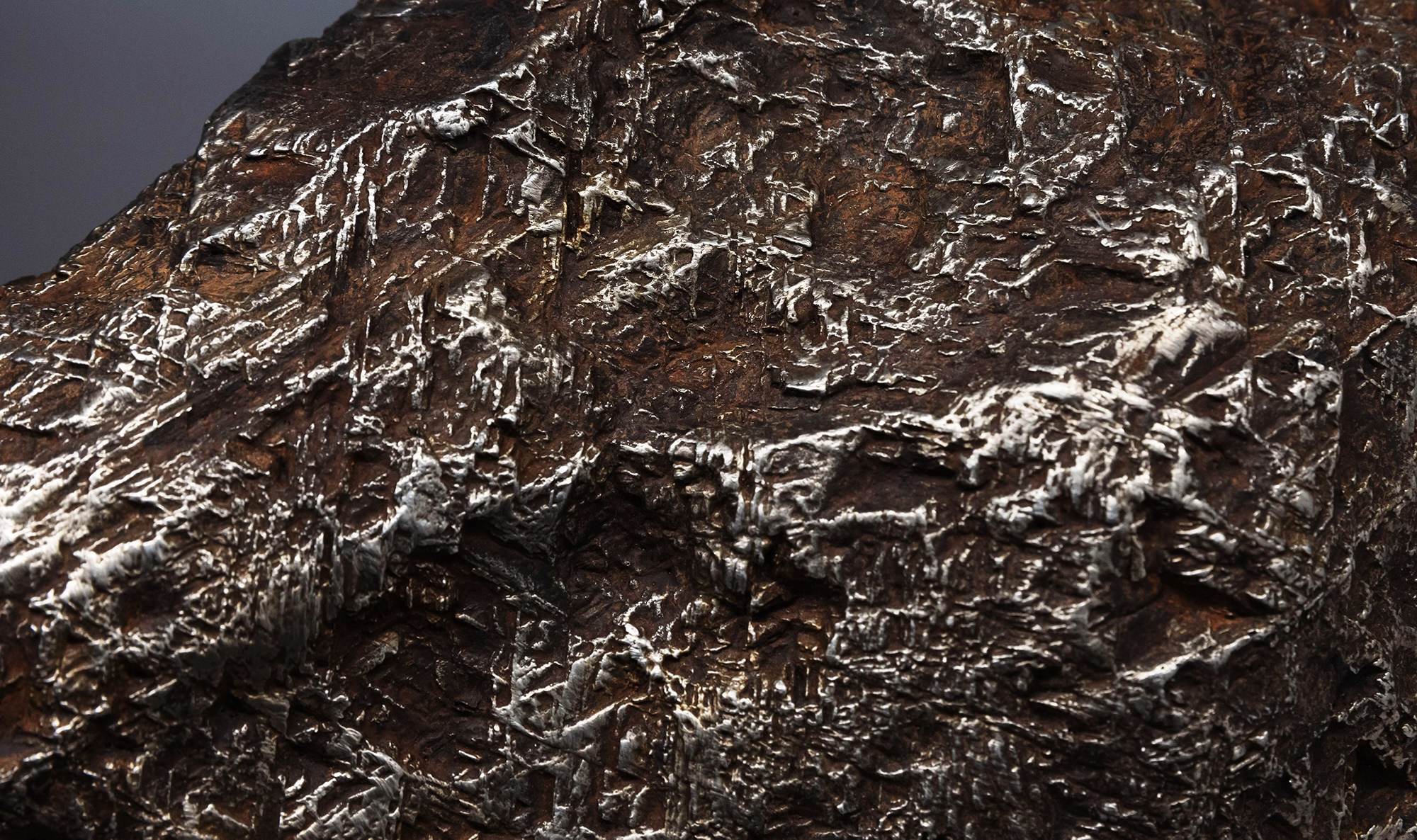
The surface of an iron meteorite.
The meteorite Muonionalusta is estimated to be about 4,565 billion years old, and researchers believe it came from the asteroid belt between Mars and Jupiter, which lies more than 180 million km from Earth.
Most meteors that fall toward Earth are various forms of stone. Only a small number, like this one, are made mainly of iron and nickel.
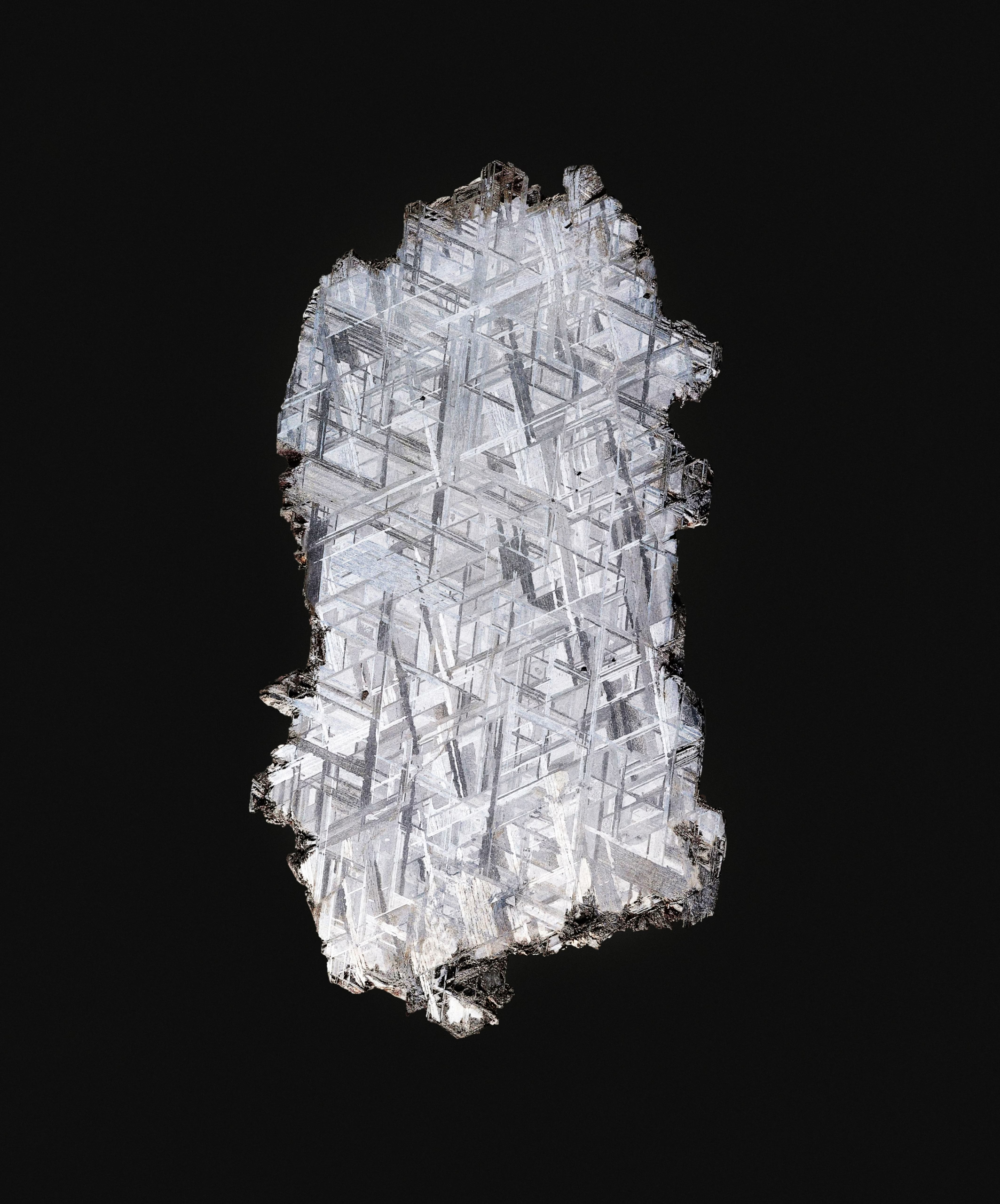
The distinctive pattern visible on the meteorite’s surface appears when the surface is polished and then etched with acid. It is called the Widmanstätten pattern, after the Austrian discoverer, and it forms when different parts separate from one another during extremely slow cooling over millions of years.
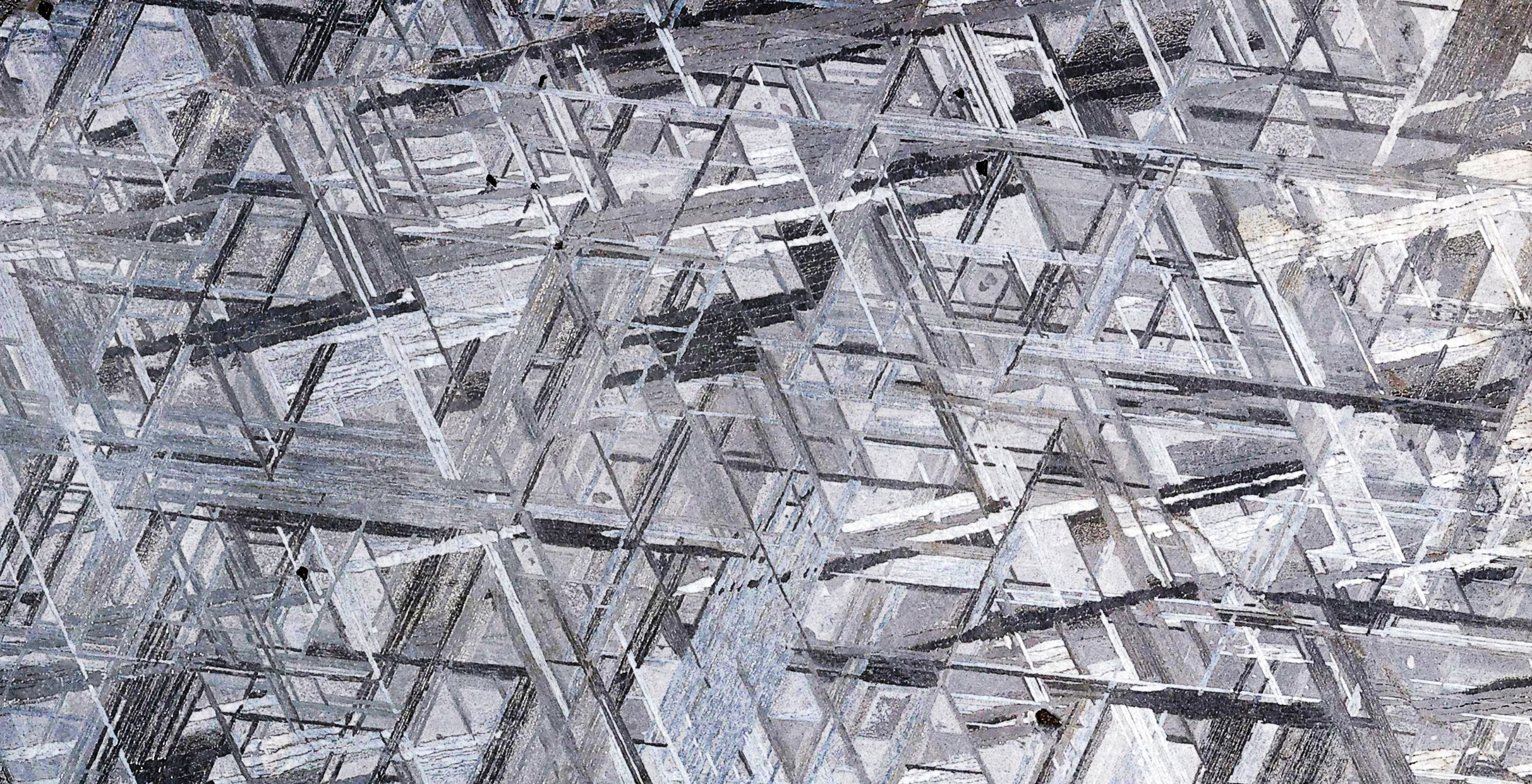
The Widmanstätten pattern, sometimes known as a the Thomson structure, shows up on the meteorite when it's cut, etched and polished. It can't be made on Earth other than on microscopic levels since it takes millions of years of slowly cooling molten iron to create the crystal like pattern.
Do you have something to add to this topic? Tell us your story.
Har du något att berätta om det här ämnet eller något annat du tror skulle passa på sidan? Skicka in din berättelse.