The cell phone
The Father of Mobile Telephony
Östen Mäkitalo was born in 1938 in Koutojärvi, a small village in southern Tornedalen in what is today Övertorneå municipality. His childhood home had no electricity during the seven first years of his life. He studied to become an engineer at the Royal Institute of Technology between 1958 and 1962, and was already employed by the state-owned Televerket before he took his degree. At the age of 29 he became head of research, which led to him laying the foundations for the system the entire world uses for mobile telephony today.
What came before?
“Mobile phones” already existed in the 1970s, they were heavy devices mounted in cars that required switchboard operators to connect each call. You had to know what town the person you wanted to reach was in, and ask the operator there to put the call through. If you left the area you had been in when the call started, you lost contact with that base station and the call was cut off. Another problem was that none of the Nordic countries' phones worked in their neighbouring countries, despite the fact that we often work on different sides of the border, have cooperation between companies in the different countries, and speak languages so similar that we can make ourselves understood in our own tongues.
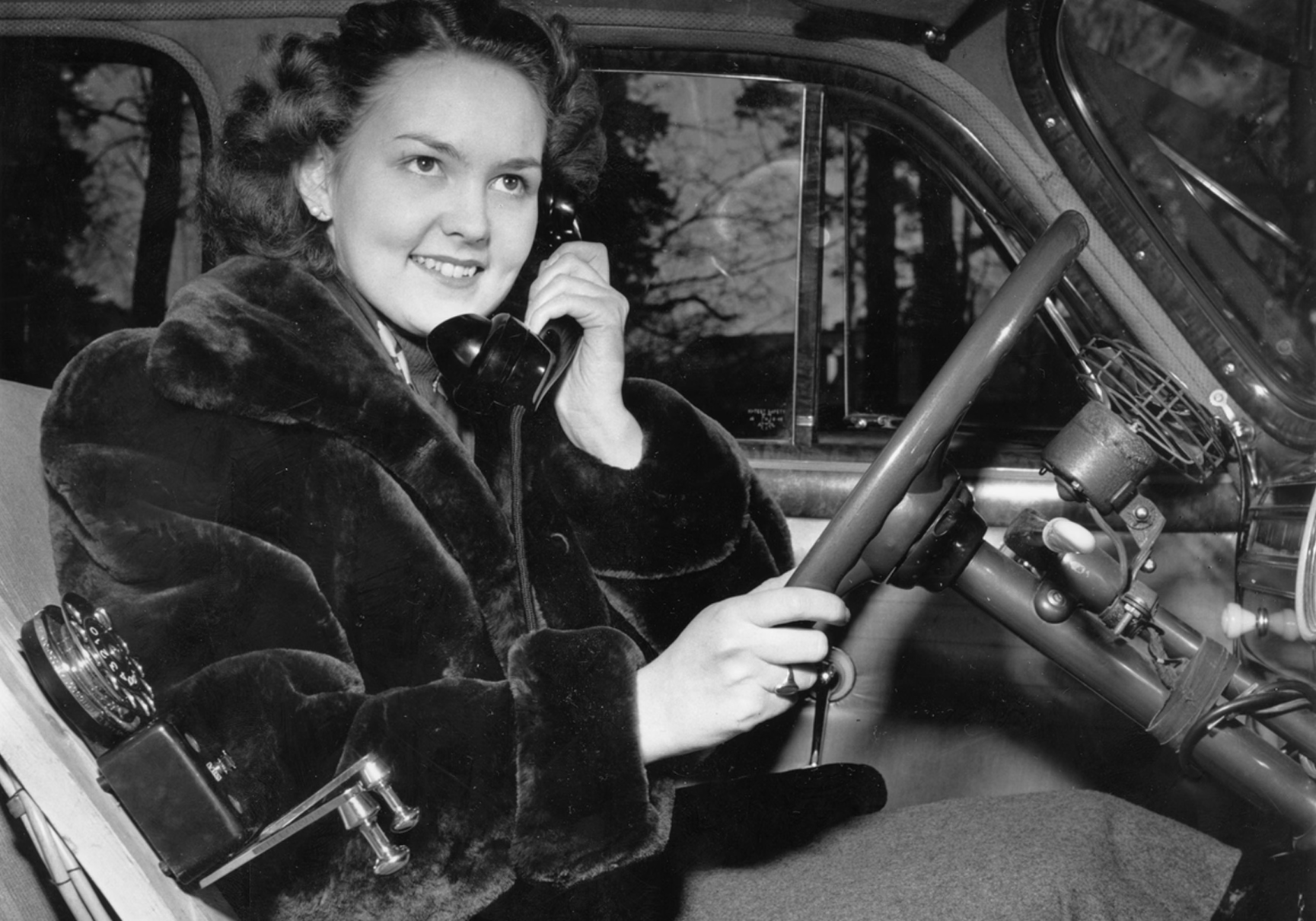
Sweden had had mobile phones in cars since the 1950s, but they were not consumer products, they were expensive professional tools for people who needed to be reachable even when out in the field.
For someone to be able to reach you, you were registered with a specific exchange, usually in your home town. The person who wanted to call you dialled the exchange's number and asked the operator there to be put through to you. If you were registered in Stockholm but happened to be in Gothenburg, you couldn't be reached unless you had notified them in advance.
At its peak, this system had 20,000 subscribers, and connecting all their calls required 700 employed operators. On average, just 30 mobile phone owners per operator.
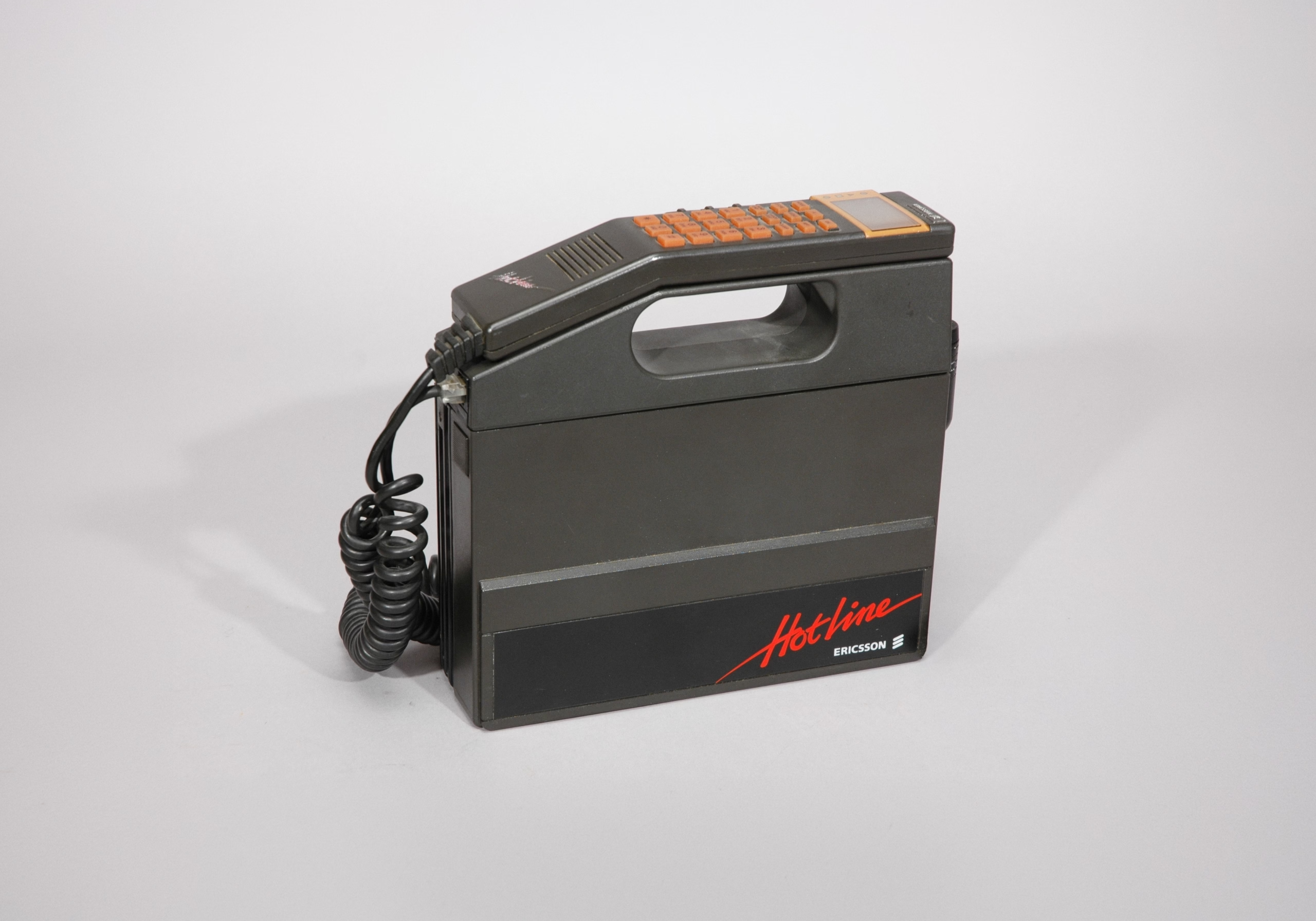
The Ericsson "Hotline Combi" was produced 1987-1988. The name "Hotline" was a reference to the direct line between American and Soviet leaders during the last decade of the cold war. Maybe a phone this modern could make you feel just as powerful as presidents?
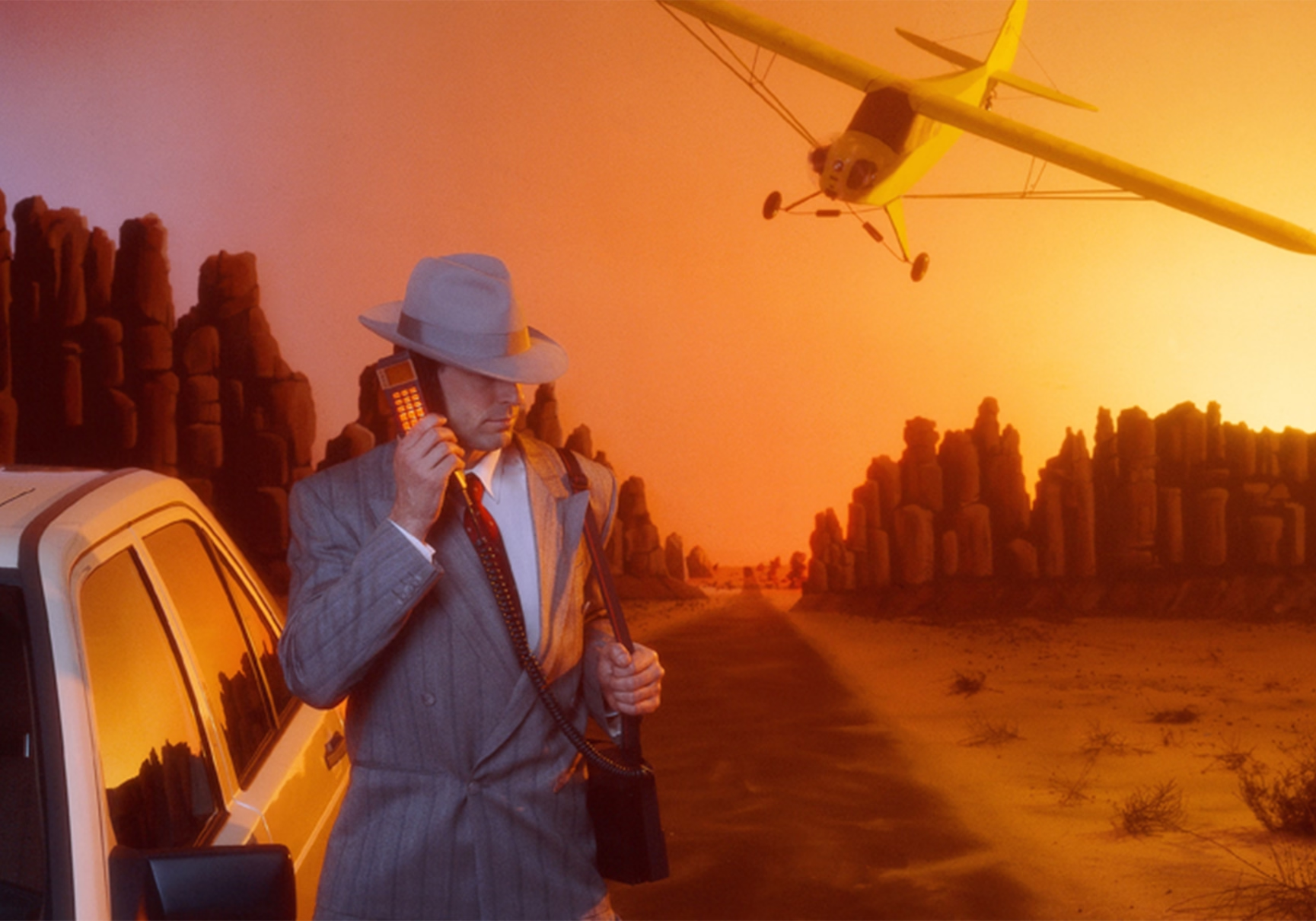
The marketing around the NMT phone focused a lot on the character Harry Hotline. He was like a corporate version of Indiana Jones and the Marlboro Man, always on an adventure somewhere in a strangely lit world. And yes, Harry Hotline always had a hat on.
What NMT changed
On 1 October 1981, NMT (Nordic Mobile Telephony) opened, the first fully automatic mobile telephone system in the world that worked across national borders. The main achievements of Mäkitalo and his colleagues were:
- The network kept track of where you were. The phone registered itself as you moved. Whoever called you simply dialled your number, and the network found the phone.
- Calls were no longer dropped when you moved. When you left an area (a so-called “cell”, which also gave the English term “cell phone” its name), an ongoing call was automatically handed over to the next one.
- An open, common standard. The four Nordic countries agreed on a free and open technology that any manufacturer was allowed to build equipment for.
GSM and the years that followed
Even as NMT was being put into service, the Nordic telecom administrations had begun sketching out a digital successor. The first GSM networks opened in 1991. Mäkitalo was central to that work as well. GSM became the foundation for practically all mobile telephony in the world outside North America and Japan. A prototype of the first GSM phone was built in part at the company Kalix Elektronik at Filipsborg manor house, which today welcomes overnight guests.
Texting was invented by accident
The small “instructions” that allowed the network to handle on its own everything operators used to do were sent on a separate channel, distinct from the voice channel where the actual call took place. Commands like “an incoming call is arriving” were sent there. When nothing was happening, that channel sat silent. The French-German counterparts to Mäkitalo and his team realised this channel could be used for something else when it wasn't otherwise busy. There was just enough room there for exactly 160 letters. They tried writing various things on postcards to see whether you could actually say anything useful in 160 characters that someone might benefit from.
The first SMS was sent in 1992 by a British engineer to a colleague at the operator Vodafone: Merry Christmas. After that festive greeting, it became more and more common, and eventually actually rather popular, to write messages instead of calling, perhaps something you've tried yourself?
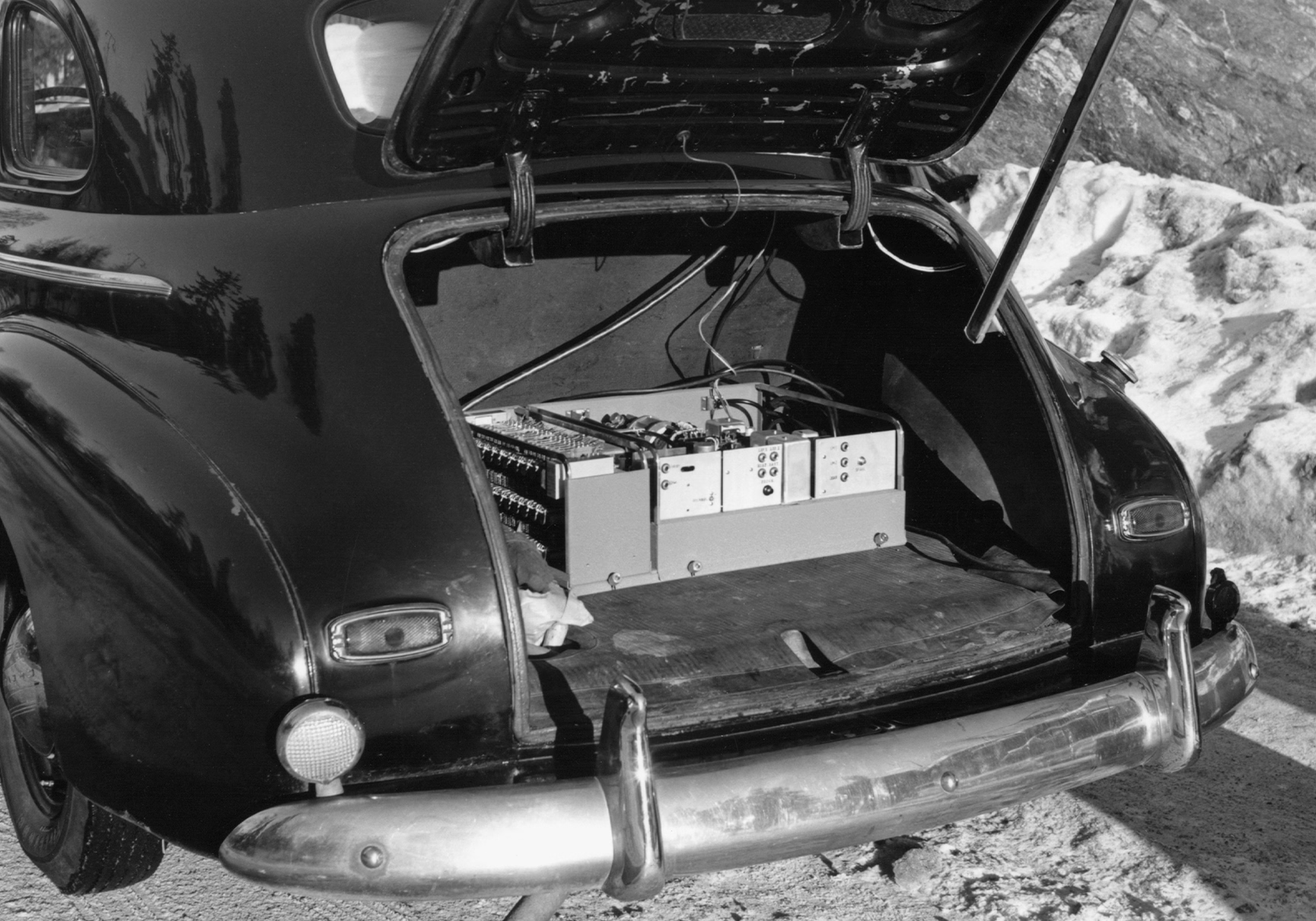
The first swedish car phone from 1951 took up a lot of space in the trunk of the car.
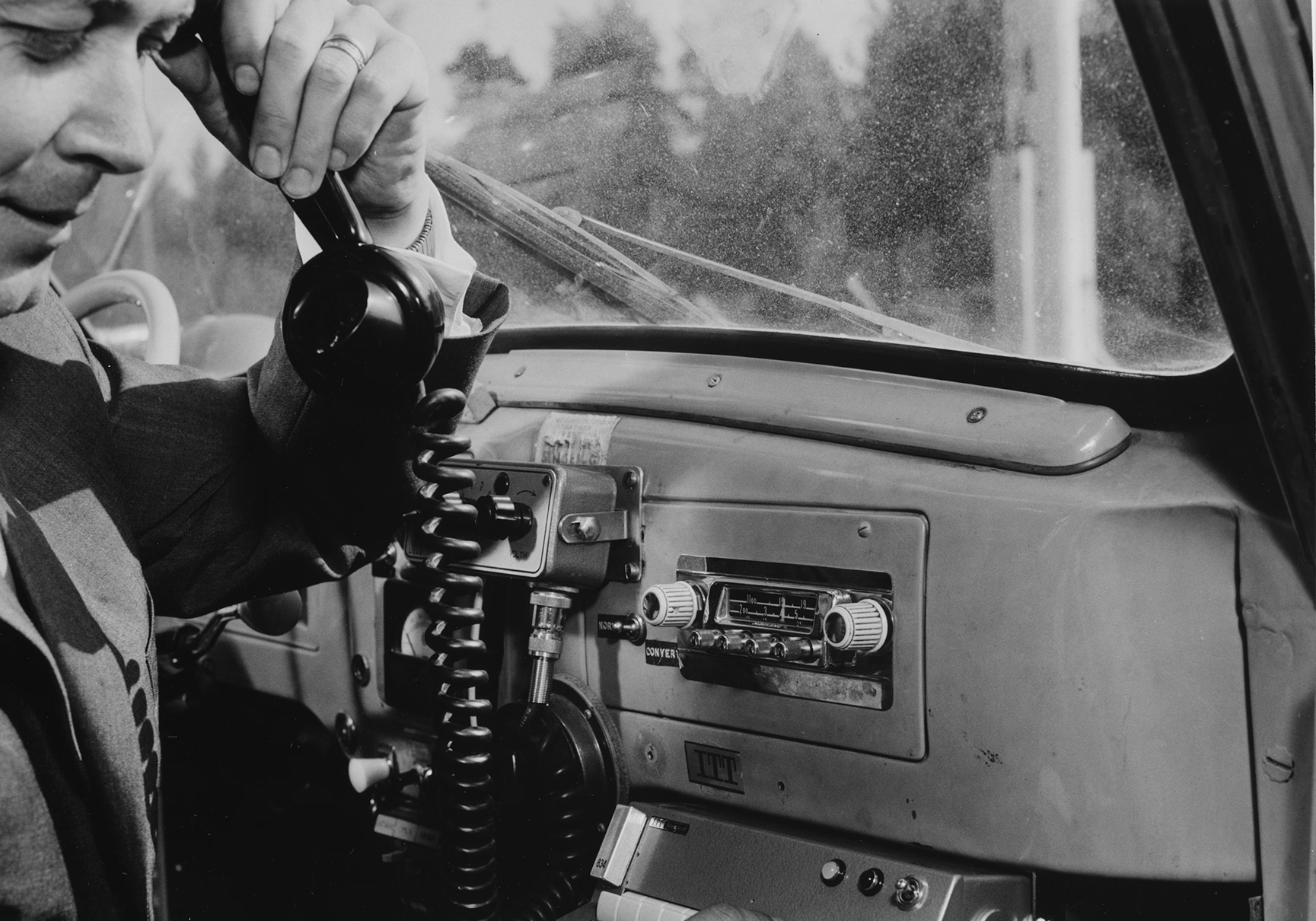
Before the invention of the cell phone that could find a phone wherever it was, you could call someone in their car if you knew where they were and told were willing to wait while an operator tried to connect you to that area.
Contributors:
Phone images by Ellinor Algin, Erik Eriksson, Peter Häll, Vänersborgs museum och Tekniska museet via Digitalt Museum. Published under CC BY-NC-SA 4.0
Do you have something to add to this topic? Tell us your story.
Har du något att berätta om det här ämnet eller något annat du tror skulle passa på sidan? Skicka in din berättelse.